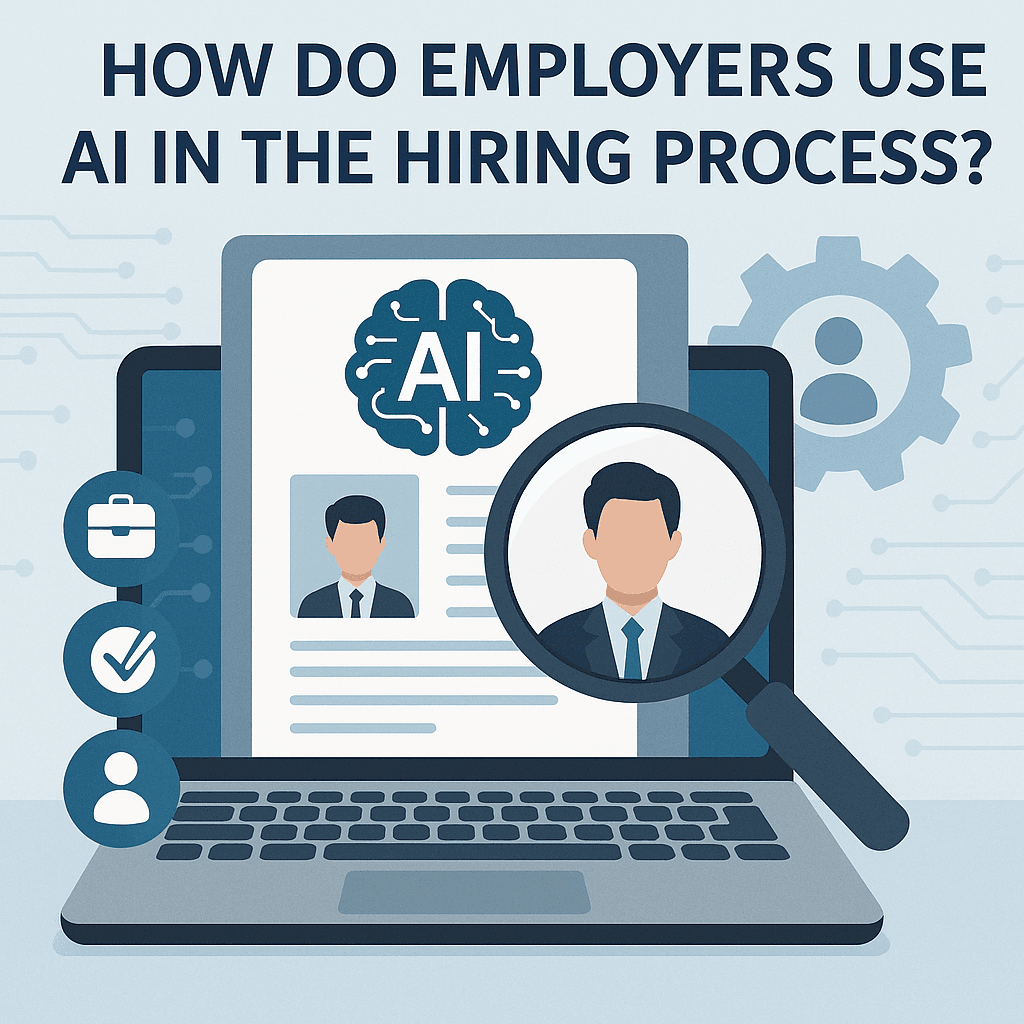
The job search has changed dramatically in recent years. With the rise of artificial intelligence (AI), companies are now transforming how they recruit, evaluate, and hire candidates. For job seekers and graduates, understanding the role of AI in hiring is not just helpful, it's essential.
From resume screening to predictive analytics, employers are using advanced algorithms to streamline their recruitment processes, save time, and identify top talent with greater accuracy.
The Growing Role of AI in Recruitment
Artificial intelligence is becoming a mainstream tool in human resource departments across the globe. As organisations receive thousands of applications for a single job role, manual screening has become inefficient and often error-prone. To address this, businesses have adopted AI-powered tools to facilitate every stage of the hiring cycle—from attracting candidates to making final offers.
These tools can automate repetitive tasks, eliminate bias, and even assess personality traits or cultural fit. For job seekers and recent graduates navigating this AI-enhanced hiring landscape, it’s crucial to understand how these methods impact their visibility and selection.
How Resume Screening Is Automated
One of the most common uses of AI in hiring is the automation of resume screening. Applicant Tracking Systems (ATS) equipped with AI can quickly sift through thousands of resumes to find the ones that match specific job descriptions. These systems use Natural Language Processing (NLP) to scan resumes for keywords, educational backgrounds, skills, and work history relevant to a specific role.
What does this mean for job seekers and graduates? It means your resume must be optimised for these systems. Using clear language, tailoring your resume to each job description, and incorporating relevant keywords can significantly increase your chances of advancing to the next stage in the hiring process.
AI-Powered Assessments and Interviews
Beyond resume screening, employers are increasingly using AI in candidate assessments. These can include skills tests, gamified tasks, and pre-recorded video interviews analyzed by AI to evaluate everything from word choice to facial expressions and tone of voice. While this may sound daunting, these tools allow employers to maintain consistency and objectivity while assessing a large pool of candidates.
Graduates should become familiar with structured interview formats and practice presenting themselves clearly and confidently via video. Doing so can help you make a strong impression, even when your responses are being analyzed by sophisticated algorithms rather than just human recruiters.
Predictive Analytics in Talent Selection
One of the more advanced uses of AI is predictive analytics. By analysing historical hiring data, employee performance metrics, and engagement levels, AI can predict which candidates are more likely to be successful in a given role. Employers use these insights to make data-driven hiring decisions and reduce the risk of a bad hire.
This means that when you apply for a job, your application might be evaluated not just for your past experience, but for how likely you are to succeed and stay long term. For job seekers, this underscores the importance of demonstrating potential, motivation, and alignment with the company’s culture and values.
Reducing Unconscious Bias
Another major benefit of AI in hiring is its potential to reduce unconscious bias. Traditional hiring processes can sometimes be influenced by factors unrelated to job performance, such as demographic details or background. By anonymising applications and focusing strictly on skills and qualifications, AI can promote fairer hiring practices.
However, AI systems are only as unbiased as the data they are trained on. That’s why many forward-thinking companies regularly audit their AI tools to ensure fairness and transparency. For job seekers and graduates from diverse backgrounds, these developments can offer new opportunities and help level the playing field.
How to Stand Out in an AI-Driven Hiring Process
Here are some practical ways job seekers and graduates can navigate the AI-driven hiring landscape effectively:
1. Optimise your resume for ATS: Use keywords from the job description, avoid images and complex layouts, and focus on clear, straightforward formatting.
2. Build a professional online presence: Many AI tools scan LinkedIn profiles. Keep your profile updated, include relevant skills, and engage with industry-related content.
3. Prepare for AI interviews: Practice recording yourself, maintain eye contact, and ensure you’re well-lit and in a quiet location during video interviews.
4. Upskill continuously: AI platforms often favour candidates who show a commitment to learning. Take online courses, earn certifications, and stay updated on industry trends.
5. Showcase soft skills: While AI may focus on hard data, employers still value creativity, adaptability, and communication. Use your cover letter, portfolio, and interview to highlight these qualities.
Conclusion: Be Proactive in the Age of AI
The integration of artificial intelligence into the hiring process is reshaping how companies find and evaluate talent. For job seekers and graduates, being aware of these changes and adapting to them is key to success. From tailoring your resume for AI screening systems to preparing for data-driven interviews, a proactive approach can set you apart from the competition.
At ISCANET, we are committed to helping international students, graduates, and skilled migrants navigate the modern job market. As a full AI-powered career hub, our platform offers intelligent job matching, resume feedback, interview prep tools, and more, all designed to help you thrive in an AI-enhanced recruitment world.
Ready to take the next step? Visit us at www.joiniscanet.com to supercharge your job search with the power of AI.
Comments (0)
Leave a comment
No comments yet. Be the first!