As we approach the year 2026, the job market is undergoing a profound transformation, driven by the rapid advancements in artificial The world of work is changing quickly, and in 2026 that change is no longer theoretical. Artificial intelligence is already reshaping how companies hire, how teams operate, and which skills are most valuable. But this does not mean there are no opportunities. It means the rules are changing.
For international talent, job seekers, and skilled migrants, the winners in 2026 will not be the people trying to compete with AI on repetitive tasks. They will be the people who know how to work with AI, communicate their value clearly, and build skills that remain hard to automate.
According to the World Economic Forum’s Future of Jobs Report 2025, the fastest-growing skills through 2030 include AI and big data, networks and cybersecurity, and technological literacy. At the same time, creative thinking, resilience, flexibility, and lifelong learning remain among the most important human capabilities employers want.
Embracing the AI Revolution: Understanding the Changing Job Market
The rise of AI is undoubtedly one of the most significant drivers of change in the job market. As AI-powered technologies become more sophisticated, they are taking on an increasingly wide range of tasks, from data analysis and customer service to creative work and even complex decision-making. While this technological advancement presents both challenges and opportunities, it's essential to understand how it will impact the job landscape in the years to come.
One of the key trends to watch out for is the automation of routine, repetitive tasks. Many jobs that involve such tasks, such as administrative work, manufacturing, and even some professional services, are at a higher risk of being automated. This means that employers will be seeking candidates with skills that complement AI, rather than those who can simply perform these routine tasks.
At the same time, the demand for highly skilled, specialized professionals is expected to grow. Roles that require critical thinking, creativity, and complex problem-solving are less likely to be automated, as these are areas where AI still struggles to match human capabilities. This presents an opportunity for international talent to differentiate themselves by developing niche expertise and honing their soft skills.
Cultivating the Skills of the Future: Preparing for the AI-Driven Job Market
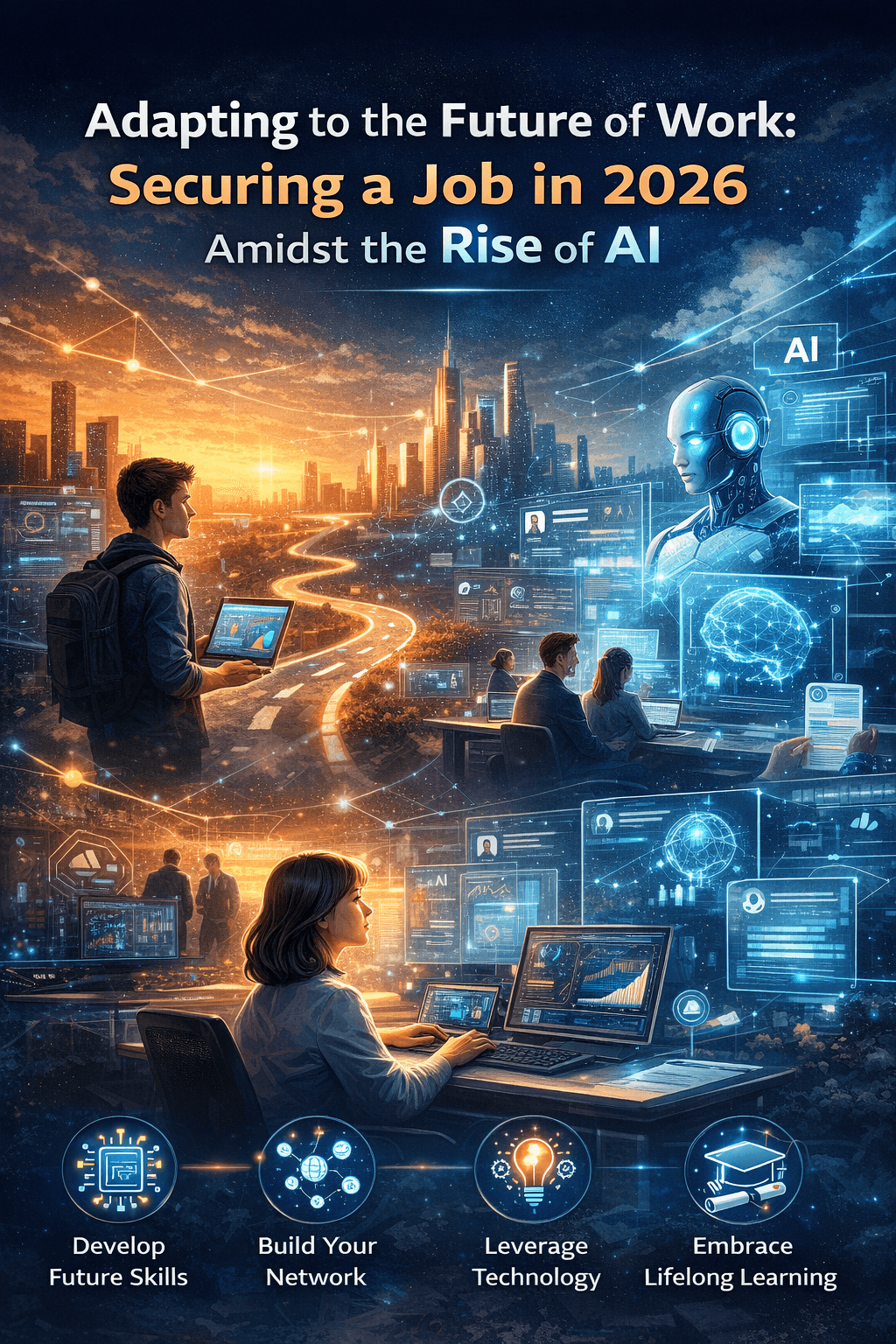
To secure a job in the 2026 job market, it's essential to focus on developing the skills that will be in high demand. Here are some key areas to consider:
Computational and data-driven skills: As AI becomes more prevalent, the ability to work with data, analyze complex information, and leverage technology to drive decision-making will be highly valued. Consider upskilling in areas like data science, machine learning, and data visualization.
Creativity and innovation: While AI can excel at tasks that involve pattern recognition and optimization, human creativity and the ability to think outside the box will remain in high demand. Develop your skills in areas like design, problem-solving, and strategic thinking.
Interpersonal and communication skills: As AI takes on more tasks, the ability to collaborate, negotiate, and effectively communicate with colleagues and clients will become increasingly important. Focus on improving your emotional intelligence, teamwork, and presentation skills.
Adaptability and lifelong learning: The pace of change in the job market will only accelerate, so the ability to continuously learn, upskill, and adapt to new technologies and work environments will be crucial. Embrace a growth mindset and seek out opportunities for professional development.
There are thousands of courses, tutorials, and certifications available online. Yet many job seekers still feel stuck, overwhelmed, or unsure if they are even learning the right thing. This is where a new category of platforms is emerging , adaptive learning platforms like Aurex. www.joinaurex.com
By focusing on these key skills, you'll be better positioned to thrive in the AI-driven job market of 2026 and beyond.
Leveraging AI and Technology to Your Advantage
While the rise of AI may seem daunting, it also presents opportunities for international talent to leverage technology and AI-powered tools to their advantage. Here are some ways you can do so:
Utilize AI-powered job search and application tools: Platforms like ISCANET are already integrating AI to help match job seekers with relevant opportunities and streamline the application process. Familiarize yourself with these tools and leverage them to enhance your job search.
Showcase your AI-related skills: Highlight your experience with AI-powered tools, your understanding of AI principles, and your ability to work alongside AI systems. This can make you a more attractive candidate for roles that involve AI integration or development.
Explore AI-driven career development resources: Many platforms now offer AI-powered career coaching, resume optimization, and skill assessment tools. Utilize these resources to identify your strengths, address your weaknesses, and develop a personalized career plan.
Stay informed about AI trends and innovations: Keep up with the latest developments in AI and how they are impacting various industries. This will help you anticipate future job market changes and position yourself accordingly.
By embracing AI and technology, you can gain a competitive edge in the job market and demonstrate your adaptability and forward-thinking mindset to potential employers.
Building a Strong Professional Network in the AI Era
In the rapidly evolving job market, the importance of building and maintaining a strong professional network cannot be overstated. Networking can provide you with valuable insights, job leads, and career opportunities that may not be publicly advertised.
To build your network in the AI era, consider the following strategies:
Engage with online communities and professional groups: Participate in industry-specific online forums, LinkedIn groups, and virtual events to connect with peers, mentors, and potential employers. These platforms can be excellent sources of information, advice, and job opportunities.
Attend virtual and hybrid networking events: As the world becomes more digitally connected, many networking events and conferences are now offering virtual or hybrid options. Take advantage of these opportunities to connect with professionals in your field and expand your network.
Leverage informational interviews: Reach out to professionals in your desired industry or job function and request informational interviews. These conversations can provide valuable insights into the job market, industry trends, and potential career paths.
Maintain and nurture your connections: Regularly engage with your network, provide value through helpful information or introductions, and stay up-to-date on their professional developments. This will help you build long-lasting, mutually beneficial relationships.
By proactively building and maintaining your professional network, you'll be better positioned to navigate the job market, uncover hidden opportunities, and leverage the power of your connections in the AI-driven world of 2026.
Embracing Lifelong Learning and Adaptability
In the face of the rapid technological changes and the rise of AI, the ability to continuously learn and adapt will be crucial for securing a job in 2026 and beyond. Here are some strategies to cultivate a mindset of lifelong learning:
Embrace online learning platforms: Take advantage of the wide range of online courses, certifications, and educational resources available to upskill and stay ahead of the curve. Platforms like Coursera, Udemy, and edX offer a wealth of AI-related and other in-demand courses.
Seek out mentorship and professional development opportunities: Connect with experienced professionals in your field and ask them to share their insights and advice. Many organizations also offer mentorship programs and other professional development initiatives to support their employees' growth.
Experiment with new technologies and tools: Stay curious and don't be afraid to try out new AI-powered tools and technologies. This hands-on experience will not only help you develop practical skills but also demonstrate your adaptability to potential employers.
Continuously reflect on your strengths and weaknesses: Regularly assess your skills, identify areas for improvement, and create a plan to address them. This self-awareness will help you stay focused on your professional development and remain agile in the face of change.
By embracing a mindset of lifelong learning and adaptability, you'll be better equipped to navigate the ever-evolving job market and position yourself for long-term success in the AI-driven world of 2026.
Conclusion: Seizing the Opportunities in the AI Era
The rise of AI in the job market presents both challenges and opportunities for international talent. By understanding the changing landscape, cultivating the skills of the future, leveraging technology to your advantage, building a strong professional network, and embracing lifelong learning, you can position yourself for success in the job market of 2026 and beyond.
Remember, the key to thriving in the AI-driven future is to stay adaptable, proactive, and open to new possibilities. With the right mindset and strategies, you can navigate this evolving job market and secure your dream career, even in the wake of AI.
Comments (0)
Leave a comment
No comments yet. Be the first!