The Future of Learning: Adaptive Education in 2026
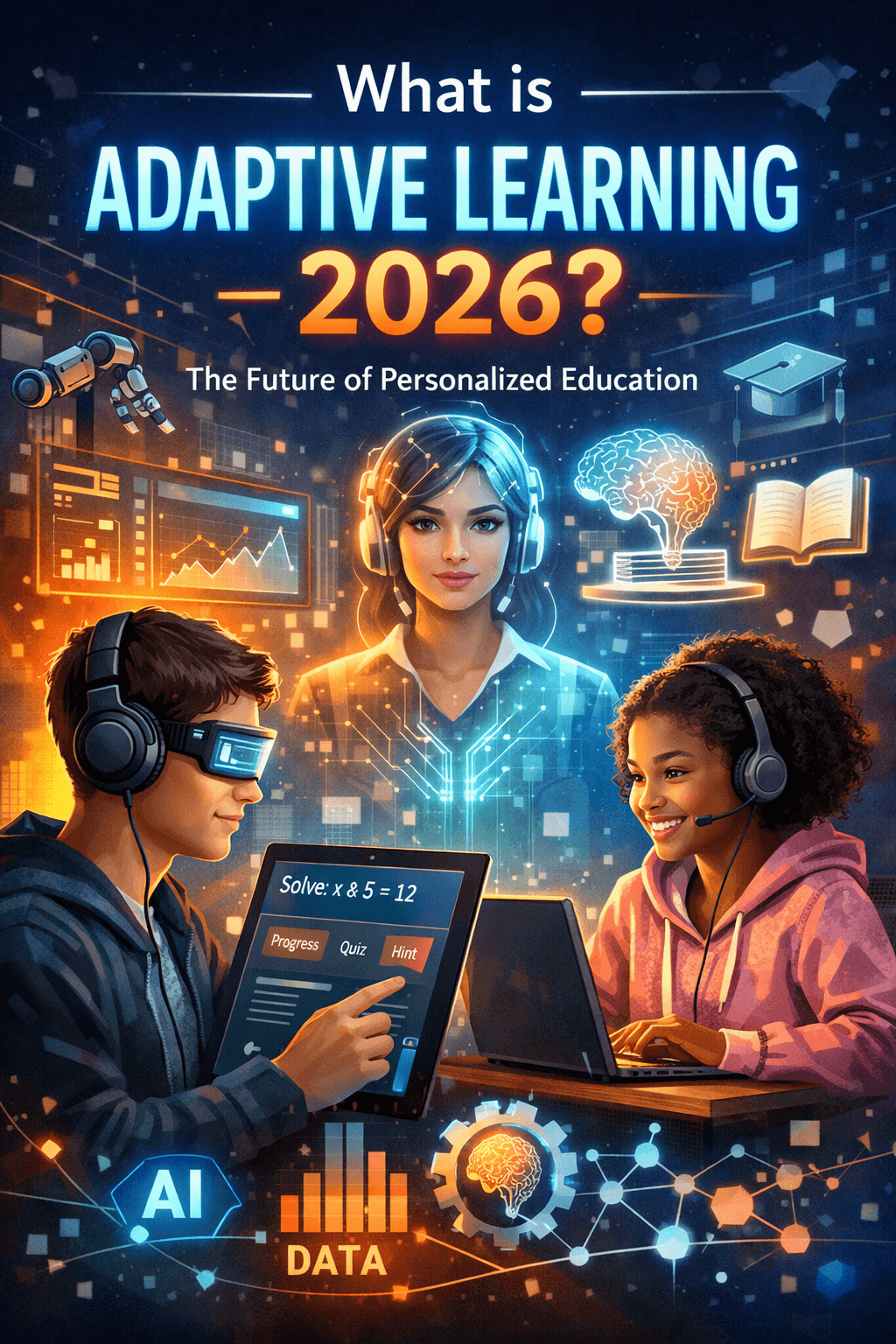
As the world rapidly evolves, the need for agile, personalized learning has never been more pressing. By 2026, the landscape of education and career development will be transformed by the rise of adaptive learning – an intelligent, data-driven approach that tailors the learning experience to the unique needs and goals of each individual. In this comprehensive guide, we'll explore how this cutting-edge technology will empower global talent to thrive in the jobs of the future.
What is Adaptive Learning?
Adaptive learning is an educational methodology that uses advanced algorithms and artificial intelligence to create personalized learning paths for each student or learner. By continuously analyzing a learner's performance, knowledge gaps, and learning preferences, adaptive systems can dynamically adjust the content, pace, and delivery of instruction to optimize their progress and mastery of the material.
Unlike traditional one-size-fits-all approaches, adaptive learning leverages real-time data to provide tailored support, challenge learners at the right level, and ensure that they develop the skills and competencies needed to succeed in their academic or professional pursuits.
The Benefits of Adaptive Learning
As adaptive learning systems become more sophisticated and widely adopted by 2026, international students and job seekers will reap a wealth of benefits, including:
Personalized learning paths that cater to individual strengths, weaknesses, and learning styles, accelerating skill development and mastery.
Real-time feedback and guidance, empowering learners to identify and address knowledge gaps, stay motivated, and achieve their goals.
Seamless integration of adaptive learning into online courses, bootcamps, and professional development programs, providing a more engaging and effective learning experience.
Increased accessibility and inclusivity, as adaptive systems can accommodate diverse learning needs and accommodate learners with disabilities or language barriers.
Enhanced data-driven insights for educators, employers, and policymakers to improve educational and workforce development programs.
Adaptive Learning in Action: Case Studies
To better understand the transformative power of adaptive learning, let's explore a few real-world examples of how this technology is already being implemented to empower global talent:
Case Study 1: Personalized Language Learning
Imagine an international student who is preparing to study abroad in a new country. By 2026, they can enroll in an adaptive language learning program that uses AI to assess their current proficiency, identify their unique strengths and weaknesses, and create a customized curriculum to help them rapidly improve their fluency.
The program might start by focusing on vocabulary and grammar that are most relevant to the student's field of study or daily life, then gradually introduce more complex concepts and conversational skills as they progress. Intelligent algorithms continuously monitor the student's performance and adjust the difficulty and pacing accordingly, ensuring that they stay engaged and motivated throughout their language learning journey.
By the time they arrive in their host country, the student will have a strong foundation in the local language, empowering them to communicate effectively, participate actively in their studies, and seamlessly integrate into the community.
Case Study 2: Upskilling for In-Demand Careers
As the job market continues to evolve, many international job seekers will need to develop new skills to remain competitive. By 2026, adaptive learning platforms will play a crucial role in helping them upskill and pivot to in-demand careers.
Imagine a software engineer who wants to transition into data science. They could enroll in an adaptive online program that assesses their existing technical skills, identifies knowledge gaps, and creates a personalized learning path to help them master the core competencies of data analysis, machine learning, and data visualization.
Throughout the program, the adaptive system would provide real-time feedback, challenge the learner at the appropriate level, and adapt the curriculum to their evolving needs. By the time they complete the program, the job seeker will have developed the necessary skills and confidence to land a rewarding data science role, even without a traditional academic background in the field.
The Future of Adaptive Learning
As we look ahead to 2026 and beyond, the potential of adaptive learning is truly boundless. With continued advancements in artificial intelligence, machine learning, and data analytics, these intelligent systems will become increasingly sophisticated, offering even more personalized and effective learning experiences.
Some of the exciting developments we can expect to see in the future of adaptive learning include:
Seamless integration of adaptive learning into virtual and augmented reality environments, creating immersive, game-like learning experiences.
The use of biometric data, such as eye tracking and brain activity, to gain deeper insights into learners' cognitive processes and optimize the learning experience accordingly.
Increased collaboration between adaptive learning platforms and employers, allowing for the development of customized training programs that align with the specific skills and competencies required for in-demand roles.
The integration of adaptive learning into lifelong professional development, empowering workers to continuously upskill and adapt to the changing job market throughout their careers.
By embracing the transformative power of adaptive learning, international students and job seekers will be well-equipped to navigate the dynamic, rapidly evolving global job market of the future. With personalized, data-driven support, they can unlock their full potential, develop in-demand skills, and achieve their career aspirations.
"Adaptive learning is not the future – it's the present. By empowering learners to take control of their own development, this transformative technology is reshaping the way we approach education and workforce training." - Matthew Akinpelu, Head of Adaptive Learning Research, ISCANET
As we move towards 2026 and beyond, the rise of adaptive learning will undoubtedly be a game-changer for international students and job seekers, opening up new avenues for personalized skill-building and career advancement. By embracing this innovative approach, global talent can unlock their full potential and thrive in the dynamic, ever-evolving job market of the future.
Comments (0)
Leave a comment
No comments yet. Be the first!